
War is an extension of politics by other means. Without a doubt, the upcoming U.S. midterm elections and Israeli parliamentary and executive elections will have a major effect on the current phase of the Iran war and negotiations. One dilemma Iran faces is how to maintain a posture of defensive realism, continue signalling a willingness to negotiate and present itself as the responsible de-escalatory belligerent, while also internalising the real possibility that the U.S.-Israeli position is primarily a political strategy aimed at navigating their respective election cycles.

Most analyst now believe that Trump appears to have genuinely bought into Israel's claims that the Iranian public would rise up following a successful decapitation strike. Kurdish terrorists would be reliable partners, the U.S. and Israel would achieve freedom of action in Iranian airspace, and Iran would become the next Syria. Analysts such as John Mearsheimer have argued that no state has capitulated solely because of a sustained air campaign, although this overlooks the different dynamics of cases such as Syria and Libya, which were essentially wars involving U.S. airpower, special forces, and local terrorists. The resilience of Iran's hardened underground facilities, the resolve of its population, the inspiration of it’s martyrs, the limited capabilities of Kurdish armed groups, and the role of the Iraqi PMF have instead frustrated key elements of the U.S.-Israeli strategy while preserving Iran's ability to threaten disruption of a significant portion of Gulf oil exports.
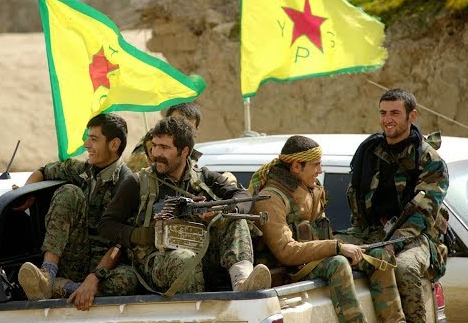
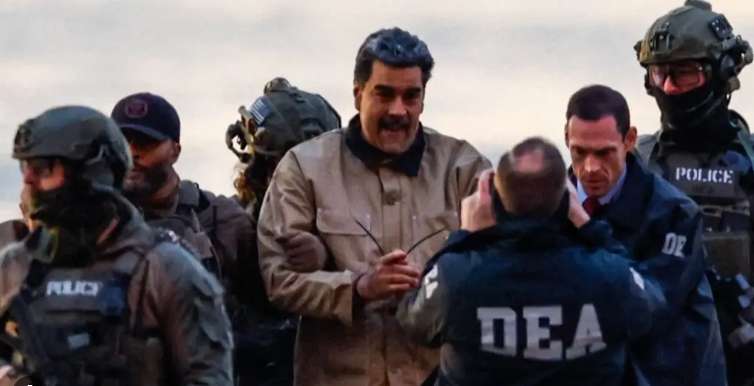
Trump recently remarked that he did not want to become the next President Hoover, the president most closely associated with the 1929 Great Depression. However, this should be considered in the context of the 2025 Trump National Security Strategy, in which the administration made clear its emphasis on prioritising spheres of interest. Coupled with the rapid takeover of Venezuela, this suggests Trump may be less concerned with the global economy than with relative economic advantage. While it would be impossible for the United States to escape the consequences of an integrated global economy, in the context of a potential high-intensity Middle East war involving widespread damage to energy infrastructure, Venezuelan heavy crude could play an important role in maintaining feedstock supplies for heavy crude refineries along the U.S. Gulf Coast. Canadian crude also serves as an important source of heavy oil.
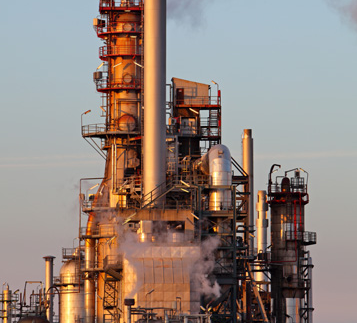
Although refinery configurations vary, heavy sour crude refineries are generally far more capable of processing lighter sweet crudes than sweet crude refineries are of processing heavy sour crudes. A refinery designed for heavy sour crude can typically continue operating at reduced throughput using lighter feedstocks, often requiring only operational adjustments or relatively modest engineering modifications. By contrast, a refinery designed primarily for light sweet crude cannot readily process heavy sour crude. Where partial processing is technically possible, it would generally reduce efficiency and produce larger volumes of heavy residual products that the refinery is not configured to refine. Those residuals would either need to be transported to a refinery equipped to refine them or otherwise managed. Burning such residual fuel as a disposal method would result in substantial emissions of sulfur oxides and particulate matter, contributing to air pollution, acid rain, and smog.
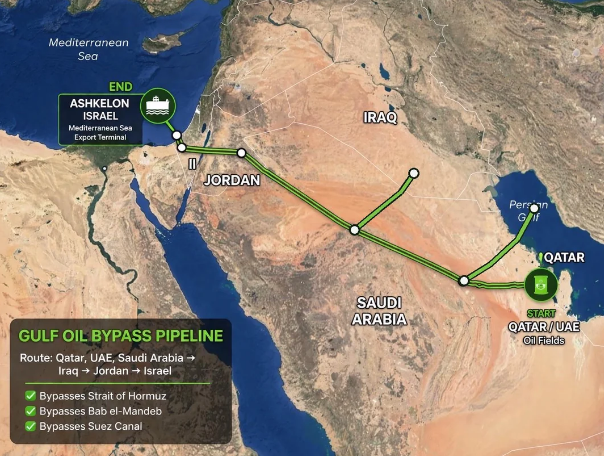
How likely the Trump administration would be to sacrifice Arab and Gulf state oil infrastructure is difficult to estimate. On one hand, despite Israel developing closer diplomatic relationships with some Gulf states, particularly the UAE, those relationships have, at least on the surface, been severely compromised by the genocide in Gaza. From Israel's perspective, the large-scale destruction of Middle Eastern oil infrastructure and the resulting shift in the regional balance of power could offer significant strategic advantages. Israel is not a major oil-exporting state, and such a disruption could encourage future energy infrastructure investment to flow through Israel to the Mediterranean. More broadly, proponents of the Greater Israel concept would likely view a weakened regional balance of power as favourable to their long-term strategic objectives.
For Trump, the economic consequences for the United States and American companies would also be a major consideration. Collectively, the Arab Gulf states hold an estimated US$1.5–2.0 trillion in U.S.-based assets, including Treasury securities, equities, real estate and other investments. The UAE alone manages sovereign wealth funds with assets exceeding US$2 trillion. American energy companies also have substantial exposure in the region. Chevron and ExxonMobil together have an estimated US$120 billion in Gulf oil and gas assets, with ExxonMobil holding significant interests in Qatar's LNG sector, parts of which sustained damage during the recent conflict.
A wider regional war that severely disrupted Gulf energy infrastructure would therefore have implications extending well beyond oil prices. The recent instability in the Japanese yen provides a useful illustration of how financial stress can spread through interconnected markets. Faced with a sharp energy shock and capital flight, governments could be forced to liquidate U.S. Treasury holdings to defend their currencies, provide domestic liquidity, and finance government obligations. Such selling pressure could spill into equity markets and other asset classes, amplifying financial instability both in the United States and globally.
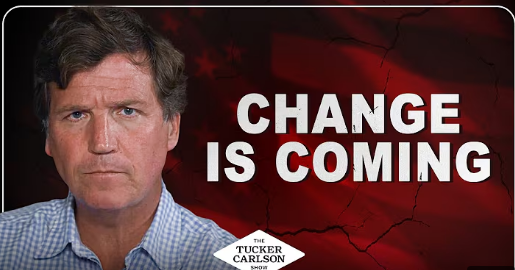
Trump's calculations extend far beyond economics. The political landscape beneath him is shifting dramatically. The MAGA coalition has fractured, with influential voices such as Tucker Carlson and Candace Owens completely disavowing the MAGA movement. Alongside Marjorie Taylor Greene and Thomas Massie, a genuine America First faction appears to be emerging. The political implications of the death of Senator Lindsey Graham, one of the strongest political supporters of Zionism in the United States, also cannot be overstated.
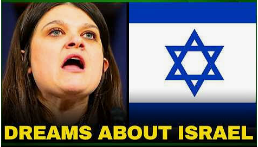
Despite the positive political developments emerging on the right, it is perhaps the left that is demonstrating stronger electoral opposition to Zionism. Most recently, and most significantly, Abdul El-Sayed won the Democratic primary for Michigan's open U.S. Senate seat, defeating Rep. Haley "Israel comes to me in my dreams" Stevens. AIPAC and its affiliated groups reportedly spent approximately US$31 million backing Stevens—an extraordinary sum for a Senate primary and a telling indicator of the intensity of the current political struggle in the United States. Similarly, in Kentucky's congressional primary, pro-Israel groups spent tens of millions of dollars in an effort to defeat Congressman Thomas Massie, making it one of the most expensive House primaries in U.S. history. While those efforts succeeded against Massie, the Michigan result suggests that comparable levels of spending are no longer guaranteeing victory in Democratic primaries. If this trend continues, the Democratic Party may prove to be the more durable political vehicle for challenging pro-Israel political influence in the United States. And this is perhaps the most important aspect of Trump's political calculations regarding the Iran war and the ongoing negotiations.
As demonstrated during Trump's first term, Democrats are likely to utilise the impeachment process if they regain control of the House, and even more so if they also secure the Senate. The House requires only a simple majority to impeach, while conviction in the Senate requires a two-thirds majority. Even without conviction, impeachment could constrain Trump's presidency, consume political capital, and place the business dealings of his family and associates under sustained public and congressional scrutiny.
This all circles back to the dilemma Iran now faces: to what extent are Trump's renewed signals of willingness to negotiate part of a broader political strategy? Iranian officials have consistently stated that they do not trust Trump, and rightfully so. If, after the U.S. elections, Trump and Israel resume the type of intense, indiscriminate bombing campaign that Trump has threatened, many observers would question the current negotiating strategy.
The counterargument is that Iran believes it is militarily prepared for such an eventuality. Its hardened underground infrastructure, combined with substantial stockpiles of ballistic missiles and drones, provides a credible deterrent, while recent reporting suggests the United States is under increasing pressure to replenish several of its high-end munitions inventories. Reports indicate the U.S. has expended virtually all of its ATACMS and Precision Strike Missiles (PrSM), approximately 65% of its Patriot interceptors, 38% of its THAAD interceptors, and nearly half of the Navy's Tomahawk cruise missiles.
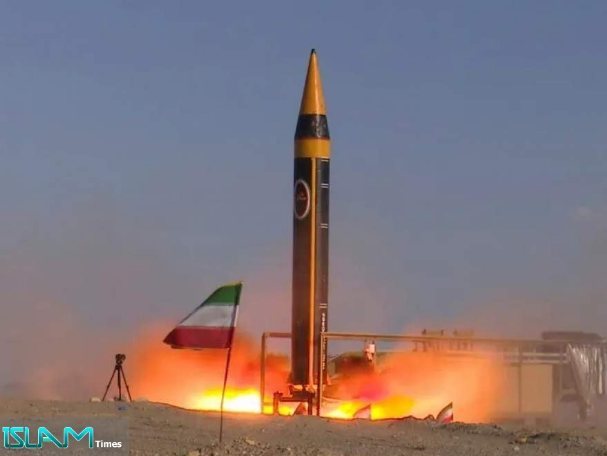
ATACMS and PrSM are not central to operations against Iran and have been used more extensively in Ukraine, so depleted inventories primarily affect that theatre. More significant are the reported drawdowns of Patriot and THAAD interceptors, which highlight the growing difficulty of defending against large-scale ballistic missile and drone attacks and raise broader questions about U.S. force doctrine and investment priorities. Most strategically significant, however, are reports of depleted Tomahawk cruise missile inventories, as Tomahawks remain one of the principal instruments of U.S. long-range conventional power projection.
On one side of the equation, Iran's underground bases appear resilient, and it retains the ability to disrupt shipping through the Strait of Hormuz. The U.S. could escalate to an indiscriminate bombing campaign, but Iran would likely retaliate against Gulf states, risking a global financial crisis and other unforeseeable consequences. Iran has already suffered losses exceeding US$300 billion, while the U.S. could likely sustain oil prices below US$150 per barrel long enough to continue imposing costs on Iran. In response, however, Iran would likely increase the reciprocal costs and accelerate its nuclear program. Although the United States is probably better positioned than any other nation to emerge relatively stronger from such a crisis, unless it is willing to accept those risks—which appears unlikely—the conflict increasingly resembles a stalemate.
Where to from here? The Odyssey offers an answer. One of the defining moments in Odysseus' journey is not a great battle, but the decision to leave the Lotus behind. The Lotus promised comfort, certainty, and escape. The sea offered only uncertainty. Yet it was only by abandoning the illusion of control and trusting his own ingenuity that Odysseus found his way home. The ocean was never the enemy; the fear of sailing it was.
One of the great ironies of the early twenty-first century was President Bush's claim that America was addicted to oil as he defended the invasion of Iraq. Yet within a decade, American entrepreneurs transformed the global energy market through hydraulic fracturing, unlocking vast domestic reserves without conquering a single foreign oil field. The tragedy is that the self-proclaimed guardians of free markets appeared to have less faith in capitalism than the capitalists themselves. Rather than trusting innovation to solve the problem, they reached first for war. Had they trusted America's inventors as much as its soldiers, Iraq may never have become necessary in their strategic imagination.
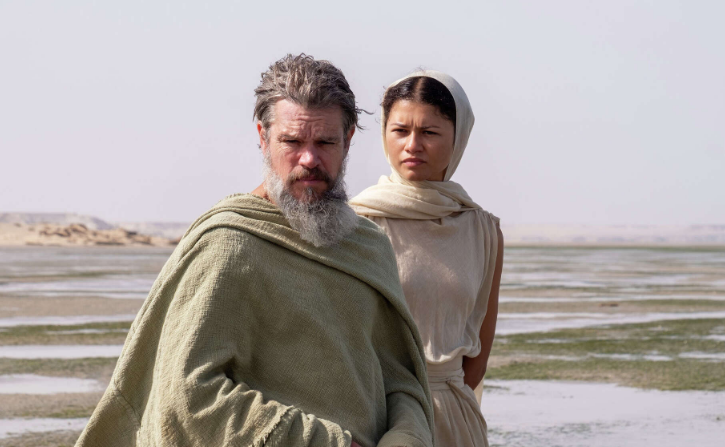
Athena
Set up an independent Persian Gulf Security Agency to issue security certificates for each cargo transiting the Strait of Hormuz. Revenue, set at 1% of the cargo's value, would be used to reimburse Gulf states for war-related losses, allocated in proportion to the damage suffered, with Iran's losses initially prioritised. Asian buyers should rapidly integrate the system into their trading frameworks, institutionalising and normalising its use while quickly establishing its commercial legitimacy.
Iran tests a nuclear weapon.
Democrats agree to pass the FY2027 US$1.5 trillion national defence budget. The reality of renewed nuclear proliferation provides the political justification for a substantial continued expansion of the U.S. military and defence-industrial base.
Zionist billionaires divest in the media industry and reallocate capital into the military industrial complex and stop their lobbying machine. If Zionists want U.S. protection for Israel they can invest in defence stocks and stop buying politicians and manipulating the U.S. electorate.
Trump announces that there is a risk of nuclear terrorism entering the United States and deploys the military to the border to halt illegal migration. Amnesty is granted to all undocumented migrants currently in the U.S. Any undocumented migrant convicted of a felony in the future is immediately deported. The military is also used to eliminate the drug cartels operating within the United States.
Legal immigration into the United States is significantly reduced, with visas reserved primarily for the highest-demand technical and professional skills until the effects of granting legal status to previously undocumented migrants have been absorbed by the labour market and broader economy.
The Republican Party recognises that the extreme individualism which has emerged from liberal politics and economics has produced damaging effects on Western civilisation. As a result, and as a symbol of cooperation and compromise, it agrees to universal healthcare—not because it is embracing social democracy, but because it recognises the importance of being a responsible steward in countering the excesses of extreme individualism that have afflicted Western civilisation.
China becomes a central node in facilitating reliable oil supplies into Asia, embracing the ESAC system and ensuring revenue is distributed back to the Gulf region.
The U.S. pressures Taiwan to adopt a reasonable road map for peaceful reunification into China. The first 5 years are spent on developing the road map and the next 5 on implementation. Unification before 2035.
Japan is permitted, subject to their citizens support, to develop a limited number of nuclear weapons, initially capped at 20 tactical warheads and 5 thermonuclear strategic weapons.
Saudi Arabia and Australia are given access to advance centrifuge technology for uranium enrichment and nuclear weapons development.
Australia offers humanitarian resettlement to Gazan refugees who voluntarily choose to leave Gaza.
Australia shifts away from its interoperability-focused defence doctrine and adopts a purely defensive force posture, prioritising the development of indigenous anti-access/area-denial (A2/AD) capabilities. Australia also enters into talks on developing a strategic alliance with Indonesia and other regional nations.
The borders of Palestine and Israel are redrawn in accordance with the 1937 Peel Commission proposal. UN peacekeepers are deployed to enforce the new borders. Jerusalem is designated an international zone. Access is allocated equally, with Jews, Muslims, and Christians each granted two days per week, while the seventh day is reserved for non-aligned religious visitors. Investment is directed towards developing Jerusalem into an international holy city, with all major developments requiring the approval of a joint council representing Jewish, Muslim, and Christian representatives.
If point 13 is rejected: Hamas disarms, Israel retreats to the pre-1967 borders. Train lines are built between Gaza and the West bank and free travel is permitted between the two regions. UN peacekeepers are deployed to ensure the peace.
A 90-day ceasefire is implemented in the Ukraine conflict, after which a national referendum is held to determine whether the Ukrainian public supports continuing the war under the existing system of forced military conscription. Two independent international observer missions are deployed to monitor the referendum and verify its integrity.
The United States rediscovers confidence in its capacity to invent, innovate, and maintain its technological primacy while providing opportunities for its citizens. Like Odysseus, it abandons its addiction to the Lotus flower and the illusion that it must control an uncontrollable ocean. Instead, it places its faith in its own ingenuity, no longer fearing the sea but trusting in its ability to navigate uncertainty, overcome whatever the ocean brings, and rediscover its original roots. Benjamin Franklin.
Russia and the U.S. agree to reduce its nuclear weapons stockpiles to 1000 each. China agrees not to increase more than 1000 warheads. Current nuclear middle powers cap their stock piles at 250 warheads. New nuclear powers maintain below 75 warheads.
In shāʾ Allāh, in the interests of peace, we pay Satan his dues, and Netanyahu and his cabinet get pardoned.