
Iranian Foreign Minister Abbas Araghchi says negotiations between Iran and Oman on the future management of the Strait of Hormuz are in their final stages.
Speaking at Sunday's cabinet meeting, Araghchi said talks between Tehran and Muscat have progressed significantly after months of negotiations, with both sides moving toward finalizing a framework for future navigation arrangements in the strategically important waterway.
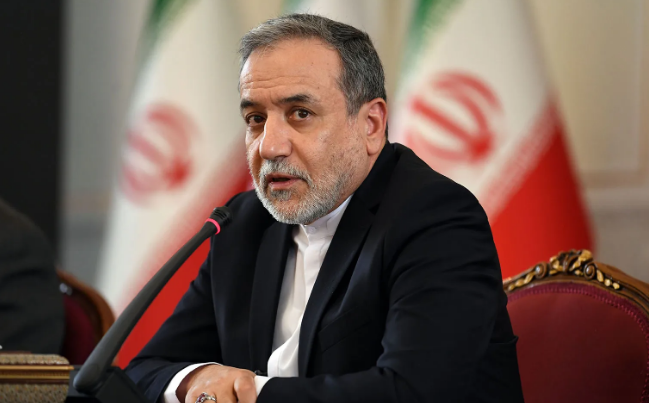
Iranian Foreign Ministry spokesperson Esmaeil Baghaei said negotiations have intensified in recent days following approximately two months of discussions. He said the objective is to establish a lasting mechanism for the secure management of commercial navigation through the Strait of Hormuz.
Meanwhile, President Donald Trump indicated he preferred a negotiated outcome to further military escalation.
"I would rather make a deal. I'm not looking to kill people... we don't want that."
Trump said he had cancelled a planned "massive attack" on Iran following appeals from Saudi Arabia, the United Arab Emirates and Qatar. The remarks contrast with earlier statements in which he publicly threatened military action against Iran, including strikes that critics argued could have targeted civilian infrastructure.
The legality of attacks on civilian infrastructure remains a significant issue under international humanitarian law. Civilian objects are generally protected under the Geneva Conventions and customary international law unless they become lawful military objectives, and deliberate or indiscriminate attacks against civilian infrastructure may constitute war crimes.
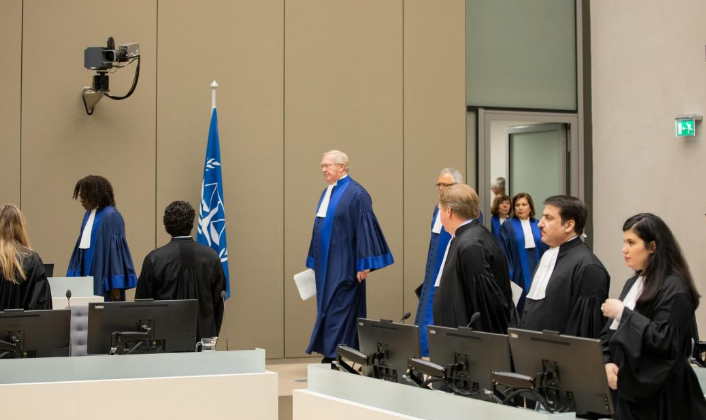
The issue has attracted additional attention following recent U.S. sanctions against officials of the International Criminal Court (ICC). Washington argued the Court had exceeded its jurisdiction, while critics said the measures undermined the independence of an institution established to investigate allegations of genocide, crimes against humanity and war crimes.
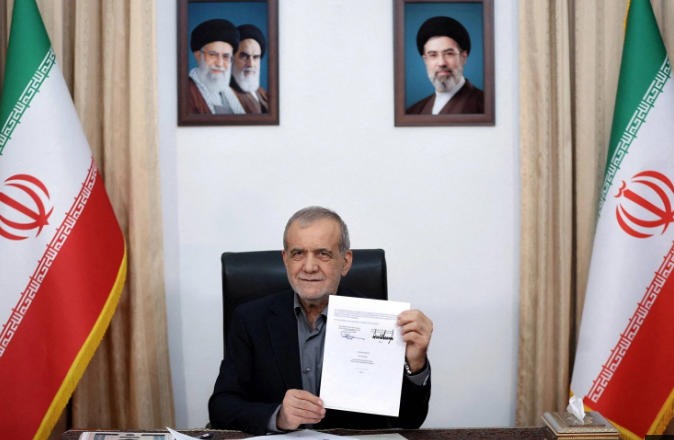
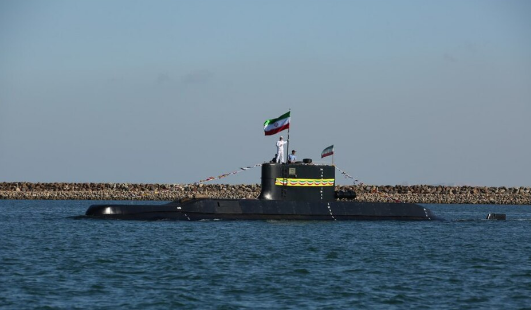
Iranian officials say the negotiations build upon a Memorandum of Understanding (MoU) signed in June between Tehran and Washington following the latest conflict. Under the agreement, Iran permitted fee-free maritime transit through the Strait of Hormuz for a 60-day period while introducing designated navigation routes for commercial shipping.
According to Tehran, the arrangement was later undermined by U.S. efforts to establish an alternative transit corridor closer to Omani territorial waters, prompting Iran to re-impose navigation restrictions. Iranian officials maintain that future commercial transit through the Strait must operate under navigation arrangements coordinated by Tehran in accordance with the memorandum.
Baghaei said the Strait of Hormuz would "under no circumstances" return to its pre-conflict operating arrangements. He added that Clause 5 of the MoU provides for the future management of the waterway to be undertaken by Iran in consultation with Oman and through dialogue with other regional states.
Under the proposed framework, the future shipping corridor would replace the existing northern and southern routes with a newly agreed navigation channel developed jointly by Iran and Oman.
Officials familiar with the discussions, speaking on condition of anonymity, said negotiations are also progressing on a broader maritime security framework designed to provide greater certainty for international shipping and energy markets. The proposed mechanism is expected to emphasize navigation safety, voyage-specific security assurance and predictable commercial transit through one of the world's most strategically significant maritime chokepoints.
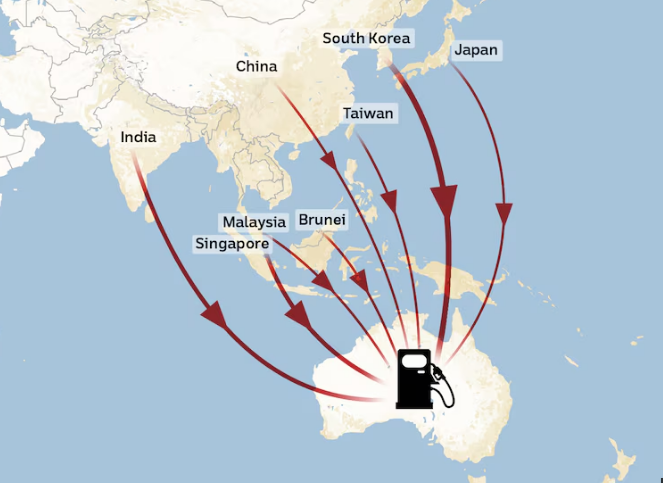
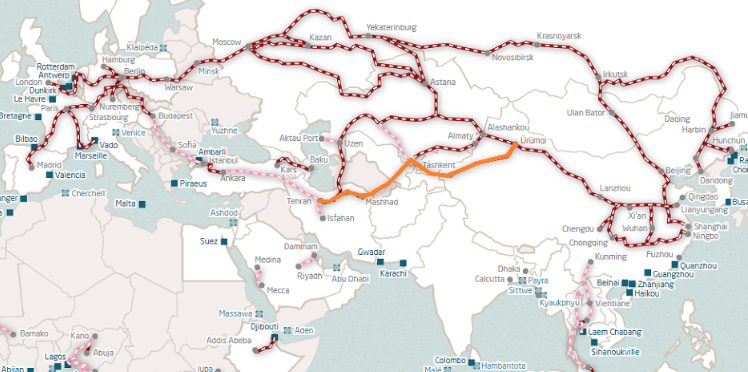
The discussions are of particular significance for Asia-Pacific economies, many of which rely heavily on crude oil and refined petroleum imports from the Persian Gulf. Australia, for example, has closed most of its domestic refining capacity over the past decade and now depends on imported refined products, including diesel and Jet A-1 aviation fuel. This has increased the strategic importance of maintaining uninterrupted maritime access through the Strait of Hormuz.
Energy security has become more complex amid export restrictions and shifting trade policies affecting refined petroleum products from several major Asian refining hubs. These developments have heightened interest among governments, commodity traders, insurers and shipping companies in mechanisms that strengthen confidence in the security and continuity of energy supply chains through one of the world's most strategically important maritime chokepoints.
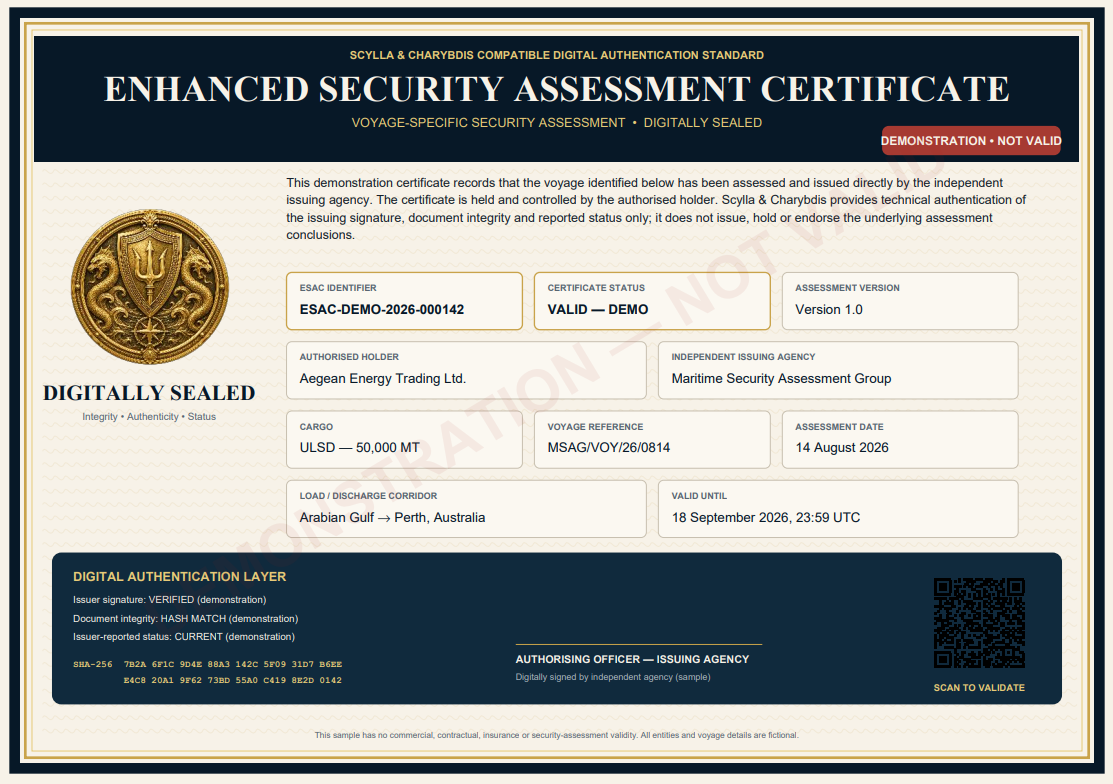
One proposal under discussion is the Enhanced Security Assessment Certificate (ESAC), a voluntary, voyage-specific security assessment intended primarily for Asia-Pacific participants in the physical energy market. Under the proposed framework, an ESAC would be issued by an independent Persian Gulf Security Agency drawing on an ecosystem of regional security specialists, including experts from Iran, Oman and other Gulf states.
The certificate would provide an independent assessment of the security environment for individual crude oil and refined petroleum cargoes transiting high-risk maritime routes, including the Strait of Hormuz. Rather than replacing existing commercial documentation, the ESAC would serve as an additional layer of independently assessed security assurance, enabling buyers, sellers, financiers, insurers and ship operators to verify the security assessment associated with a specific voyage.
The framework is expected to be integrated initially into trading systems serving Asia-Pacific energy markets, reflecting the region's dependence on Persian Gulf supplies. If successfully implemented, the model could be adapted for other strategically important maritime trade routes where geopolitical and security risks have become increasingly important commercial considerations.
The proposal has been broadly welcomed by many Asia-Pacific market participants as a practical response to an increasingly uncertain security environment. As global seaborne energy trade faces persistent geopolitical risks, industry participants are placing greater emphasis on measures that improve confidence in supply chain resilience.
The region has become particularly sensitive to energy-driven inflation, with higher fuel prices flowing through to transport, electricity generation, manufacturing and food costs. Governments are increasingly conscious that sustained increases in energy prices can affect economic growth, inflation expectations and political stability, making supply security an important strategic consideration alongside price.
For households, further increases in energy costs would add to existing pressures from elevated housing costs, rising rents and broader cost-of-living increases. Higher fuel prices would raise the cost of commuting, freight and essential goods, placing additional strain on household budgets. Consequently, measures that strengthen confidence in the continuity and security of energy supplies are viewed by many commercial participants as contributing not only to market stability but also to broader economic resilience
Discussions are continuing on the composition and governance of the proposed independent Persian Gulf Security Agency. As part of the planning process, a Caspian-based strategic consulting and human resourcing team has been engaged to assist in identifying and coordinating suitably qualified regional security specialists.
Asia-Pacific market participants have emphasized that any organization participating in the framework must operate in full compliance with applicable international sanctions and counter-terrorism laws. They have indicated that the agency, its personnel and counterparties would need to demonstrate robust compliance processes and provide assurance that they do not support entities or individuals subject to sanctions or anti-terrorism measures.
Observers say any long-term arrangement would need to respect the sovereignty of the coastal states, including Iran and Oman, while establishing a governance structure capable of inspiring confidence among international energy markets. Many believe these objectives are compatible and that an independent agency supported by regional expertise could deliver credible, impartial and commercially relevant security assessments.
Officials involved in the discussions said the issuance of an Enhanced Security Assessment Certificate (ESAC) could cost up to 1% of the value of a cargo transiting the region. Despite the additional expense, many Asia-Pacific market participants reportedly regarded the proposed fee as commercially acceptable in light of the substantial increase in spot market prices following the conflict, with some cargoes trading at 200–300% of pre-conflict levels.
Industry participants said that, in an environment of heightened geopolitical uncertainty, the cost of an independently assessed security mechanism could be outweighed by reductions in commercial, legal and operational risk. They also emphasized the importance of full transparency regarding legal obligations, sanctions compliance requirements and the contractual implications of the proposed framework.
Several market observers described the proposal as a pragmatic commercial response to an increasingly volatile trading environment, arguing that an efficient, independent and legally robust assessment system could strengthen market confidence and help mitigate broader economic pressures affecting regional energy markets.
Officials familiar with the proposal said revenues generated from the proposed ESAC issuance fee would be settled in renminbi and directed into a Chinese financial vehicle focused on logistics, financial intelligence and supply chain management.
According to those officials, the fund would be administered by specialists in international trade logistics, energy supply chains and commercial risk management. Revenues would be allocated to projects supporting economic recovery and infrastructure affected by the recent conflict involving Iran, with the objective of strengthening regional trade resilience and facilitating the restoration of commercial activity.
Officials within the Trump administration, speaking on condition of anonymity, said they viewed any mechanism that restored predictable navigation through the Strait of Hormuz and reduced economic uncertainty as a constructive development. They noted that greater stability in global energy markets would also be beneficial to the U.S. economy ahead of the upcoming midterm elections.
The officials acknowledged reservations about settling ESAC-related fees exclusively in renminbi, reflecting broader U.S. concerns over the international role of the Chinese currency. However, they indicated a willingness to consider a dual-currency settlement model under which a portion of revenues could be denominated in U.S. dollars. They argued that such an approach could broaden participation among Asia-Pacific trading firms while preserving a role for the dollar in international energy commerce.
They also noted that the administration continues to navigate broader changes in global trade and international payment preferences, suggesting that maintaining flexibility over settlement currencies could offer commercial advantages as the international trading system evolves.
Market participants said there had also been preliminary discussions about whether digital assets could play a role in future settlement mechanisms. While some proposals reportedly referenced cryptocurrencies, including Bitcoin and the Trump meme coin, traders expressed reservations over liquidity, price volatility and institutional acceptance. Most indicated that conventional fiat currency settlement remained the preferred option for any initial implementation, while leaving open the possibility of evaluating digital settlement mechanisms as the market matures.
Persian Gulf energy-exporting states, including Saudi Arabia, the United Arab Emirates and Qatar, are also understood to view the proposed arrangement as a pragmatic response to the disruption caused by the conflict and its impact on regional shipping and energy exports. Officials and industry participants said prolonged instability in the Strait of Hormuz has imposed significant economic costs through higher insurance premiums, shipping delays and increased market uncertainty.
Under the proposed framework, the ESAC ecosystem would include a network of independent regional brokers operating across the Gulf states. These brokers would serve as the commercial interface between the independent Persian Gulf Security Agency and cargo buyers, sellers and ship operators, facilitating the issuance of voyage-specific Enhanced Security Assessment Certificates while maintaining a clear separation between the independent security assessment process and commercial negotiations.
A Caspian-based strategic consulting and human resourcing firm, whose identity has not been disclosed, is expected to play a key role in developing the governance framework, operational procedures and professional standards for the broker network. The firm would also assist in recruiting and coordinating regional security specialists, helping to ensure the ESAC system operates consistently across participating jurisdictions while meeting the legal, compliance and commercial requirements of international energy markets.
Planning has already commenced for the development of the digital infrastructure supporting the Enhanced Security Assessment Certificate (ESAC) system. Under the proposed framework, the Scylla & Charybdis Odysseus69 trading platform would serve as the authentication layer, providing secure digital verification of ESAC credentials throughout the transaction lifecycle.
The platform would authenticate that the security assessment issued by the independent Persian Gulf Security Agency corresponds with the voyage-specific particulars contained within the commercial sales agreement. This includes verification that the certificate accurately matches the cargo, vessel, loading and discharge ports, intended transit route, validity period and other security parameters associated with the proposed shipment.
Rather than replacing existing trade documentation, the Odysseus69 platform would function as an independent authentication mechanism, enabling authorized buyers, sellers, brokers and other approved participants to confirm that an ESAC is genuine, unaltered and valid for the specific cargo voyage. The objective is to provide an additional layer of confidence and transparency for physical energy trading while reducing the risk of fraudulent or altered security documentation within high-risk maritime corridors.