
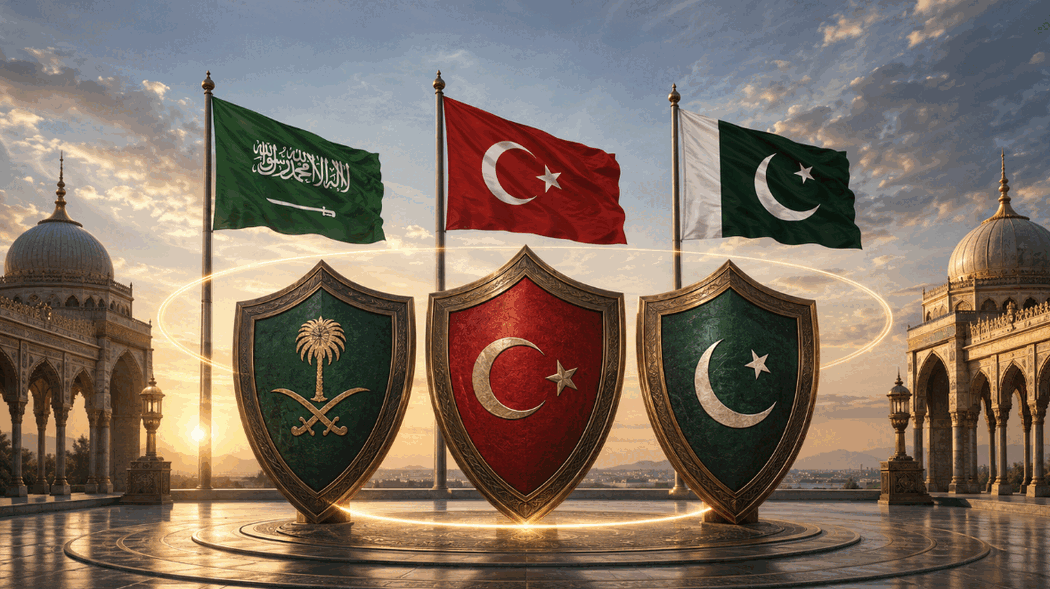
The mutual-defence agreement between Saudi Arabia, Türkiye and Pakistan may be one of the Middle East’s most consequential developments since Iran’s new leadership began constructing its own regional security architecture. More than another alliance, the Mecca Pact may represent a broader rebalancing of that emerging order. It treats an attack on one member as an attack on all three—a principle Hakan Fidan compared to NATO’s Article 5.
Although the three governments deny targeting any particular country, alliances reveal something about the conditions that produce them. The essential question is therefore not whom the pact opposes, but what balance it seeks to create between Iran and Israel.
The most obvious explanation is Iran.
Iran’s growing influence over Persian Gulf security reflects its effort to construct a regional security architecture after decades of conflict, sanctions and external pressure, culminating in direct attacks by the United States and Israel. Tactically, Iran can influence maritime movements through the Strait of Hormuz, protect or threaten energy infrastructure, and impose significant costs across the Gulf. Strategically, its geography and military capabilities provide leverage over global commerce. For Saudi Arabia, this creates both a new regional reality and a powerful incentive to counterbalance it.
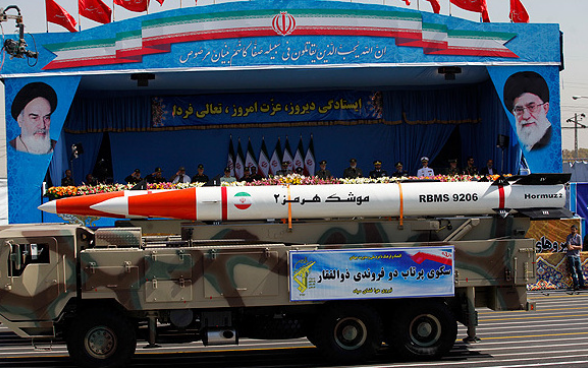
The Mecca Pact changes that calculation. A confrontation over Saudi energy exports might involve not only Riyadh, but Türkiye and Pakistan as well. Each member contributes something different: Saudi Arabia provides financial and energy power; Türkiye, conventional military strength; and Pakistan, a large military and nuclear weapons.
The pact may therefore anticipate a nuclear-armed—or effectively nuclear-threshold—Iran.
Public U.S. intelligence assessments should nevertheless be taken with a grain of salt, coming from an apparatus that claims it did not anticipate Iran’s ability to close Hormuz. Its latest estimate suggests that Iran could produce a weapon within nine to twelve months. Meanwhile, the IAEA cannot verify the whereabouts of approximately 440 kilograms of uranium enriched to 60%—potentially sufficient, after further enrichment, for multiple weapons. Iran is not publicly established to possess a deliverable nuclear weapon, but uranium enriched to 60% has already undergone roughly 90% of the separative work required to reach weapons-grade enrichment.
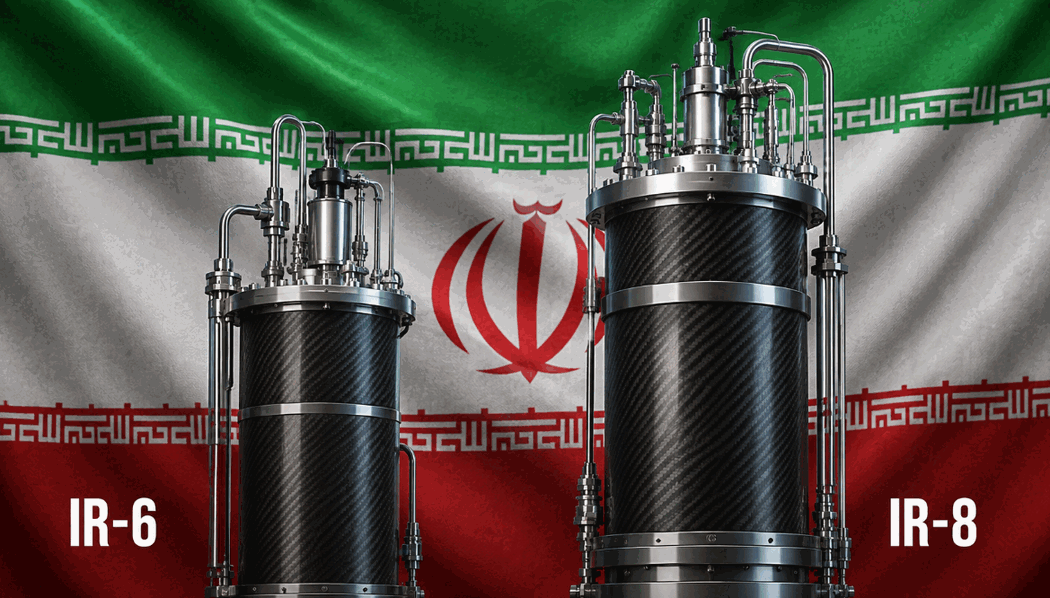
That uncertainty is itself the strategic point. Pakistan provides nuclear ambiguity, Türkiye conventional mass and Saudi Arabia economic gravity. Together, they could protect Saudi infrastructure and maritime routes—or, under extreme circumstances, provide conventional manpower beneath American airpower. There is no evidence that the pact was designed for such a contingency, but alliances create capabilities extending beyond the circumstances in which they were originally formed.
There is, however, another interpretation: the pact may be at least partly a response to Israel.
The chronology is significant. Saudi Arabia’s earlier defence agreement with nuclear-armed Pakistan emerged amid growing Gulf uncertainty about the reliability of American protection, particularly following Israel’s strike in Qatar in 2025. Türkiye’s addition gives that architecture an entirely different character.
Israeli strategic thinking has increasingly identified Türkiye itself as a potential security challenge. Former Israeli prime minister Naftali Bennett has warned of an emerging Turkish threat, while Israel’s Nagel Committee previously recommended preparing for the possibility of confrontation with Türkiye, particularly through competing interests in Syria. Ankara, meanwhile, has increasingly described Israeli military activity in neighbouring Syria and Lebanon as affecting Turkish national security.
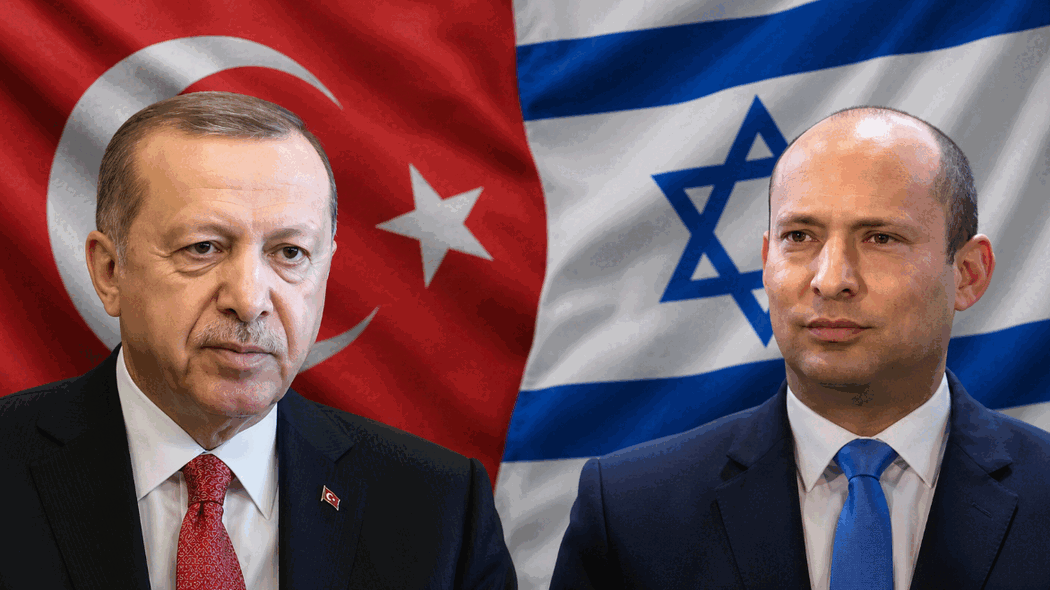
In other words, threat perception is becoming reciprocal.
From Riyadh’s perspective, this presents essentially the same problem as Iran: what happens if the United States cannot—or chooses not to—control the behaviour of the region’s strongest military actors?
Pakistan again changes the equation. Saudi Arabia does not acquire nuclear weapons merely by signing an agreement with Islamabad, and the precise extent of Pakistan’s nuclear commitment remains deliberately ambiguous. Nevertheless, association with a nuclear-armed ally inevitably complicates the calculations of any state contemplating a major attack on Saudi Arabia.
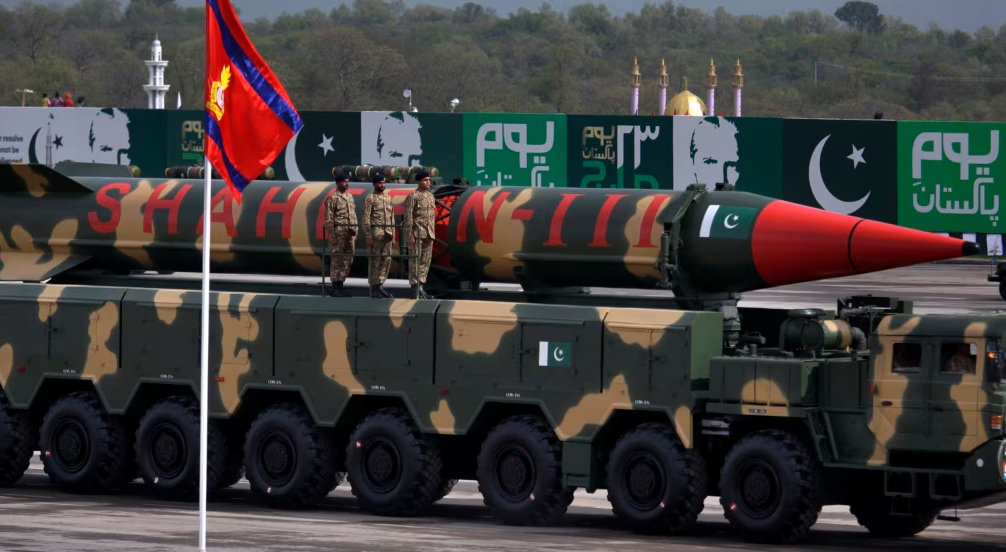
This leads to perhaps the most interesting interpretation of the Mecca Pact: it may ultimately be less about Iran or Israel than uncertainty surrounding the United States.
Saudi Arabia, Türkiye and Pakistan are not forming an anti-American coalition. All three retain important relations with Washington, while Türkiye remains a NATO member. What appears to be changing is their willingness to depend entirely upon American decisions.
Washington may not prevent Iran from reaching the nuclear threshold, restrain Israel or intervene whenever Gulf interests are threatened. The logical response is not necessarily to abandon America, but to hedge.
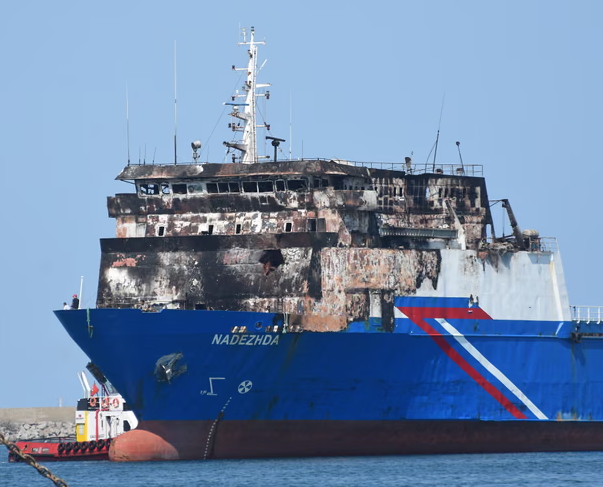
Collective strength also provides leverage when the members’ interests diverge from those of Washington. The Iran conflict demonstrated that regional powers possessing sufficient military, geographic or economic leverage can challenge the U.S.-led order. Türkiye, for example, could pursue closer relations with Russia if Western policies threaten its interests. Recent attacks on Turkish-owned shipping illustrate how Ankara’s priorities can diverge from those of its allies.
The Mecca Pact may therefore represent an indigenous regional balance: capable of deterring Iran, constraining Israel and accommodating continued American involvement, yet sufficiently independent to occasionally say no to Washington.
For decades, regional security has depended upon external guarantees. The pact suggests another possibility: if nobody can guarantee what Washington, Tehran or Jerusalem will do next, perhaps the region needs a balance of its own.